

Forum Replies Created
-
AuthorReplies
-
There may be few furniture but Stalker has stunning sets with incredibly rich texture.
A close collaboration with the set designer and dressers makes so much sense and pays off. The easiest way to get an interesting shot is to point the camera at something interesting.
Thank you!
I’ll follow David’s routine then.
A follow up question: did mercury vapor street lamps in the 70’s / 80’s have more tint than later variations?
You may want to reduce the number of ‘main lights’, that provide most of the luminance for exposure on the subjects.
From there you could supplement small accents of light that do not really add brightness but solely mood – like a small lava lamp, tiny light chain, a computer tablet lying somewhere or get creative, e.g. a t-shirt hanging over a lamp shade if it’s a messy teenager’s room. You may also make use of color contrast and have the main light sources have vastly different color temperatures.
You may also find a single lamp that’s design does something special to the room (see pic). You could place reflective items or mirrors in the room that provide isles of light when reflecting the main light.
You may want to reduce the number of lights but add ‘detail’ to the room itself (textured wallpapers, pictures, blankets, pillows, magazines, clothes ect).
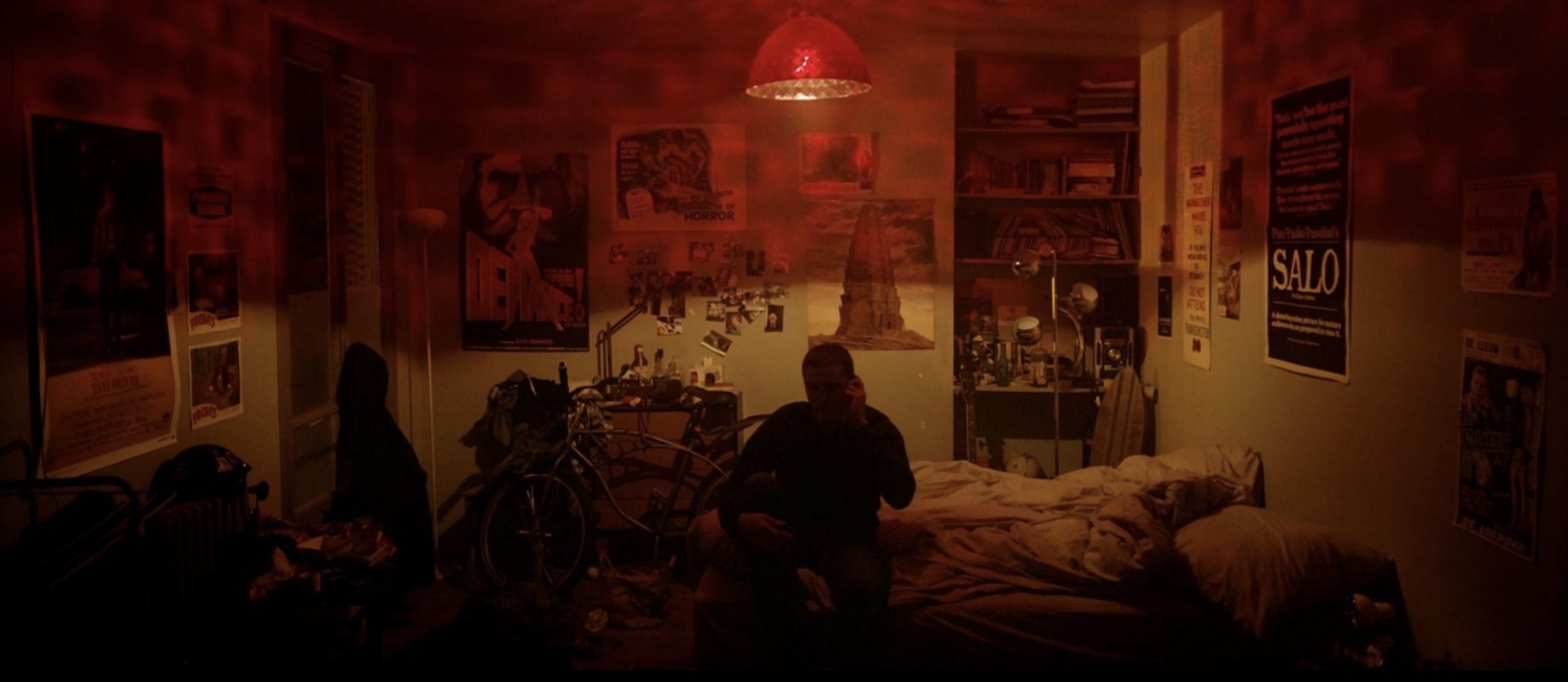
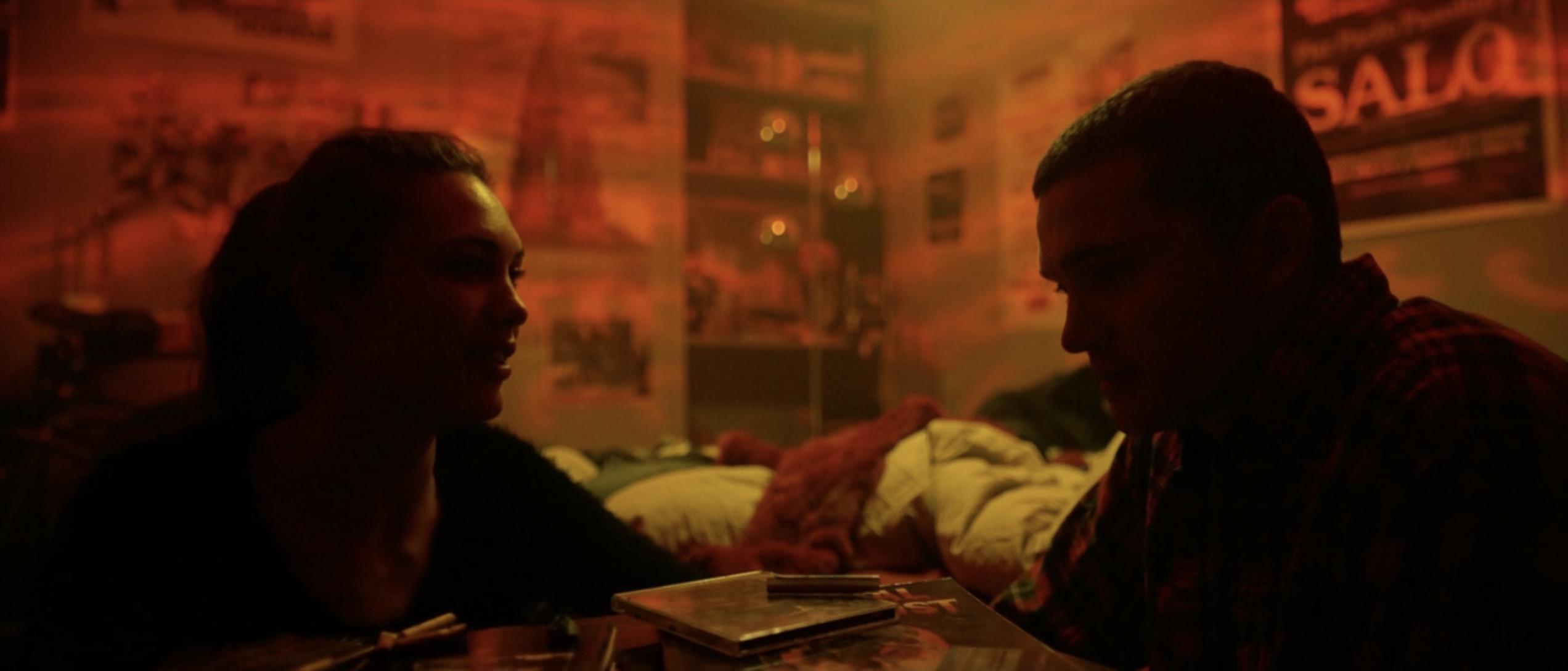
Why is it designed in such a way?
Costs.
Both manufacturing and retail price.
Thanks David,
I notice that I fail to explain myself properly and only confuse people.
P.S.: I’m a filmmaker, not a technician, also English is not my native language – so the words and terms I use may be too imprecise and cause confusion.
I think we’re talking past each other. I don’t talk about bit depth or effects of compression.
My point is that changing ISO does nothing to the recorded raw file. But it does something when recording to a codec – if you raise ISO above base, the camera adds gain. That added gain is baked into the file – contrary to when shooting raw.
E.g. if you raise base ISO one stop, 1 stop of gain will be baked in, which will push the values 1 stop closer to clipping point. This does not happen when shooting raw, as it only changes metadata and your behaviour (exposure) when looking at a, now brighter, screen.
I’m not talking about highlight information, but clipping headroom.
Anyways, enough input from my side 🙂
With raw it’s just metadata. But when shooting to a codec, and raising ISO, you are now baking (the camera’s) gain into the file, which pushes the highlights closer to clipping point with every ISO / gain step added.
High dynamic range cameras may deal better with this but others won’t. I see more risk than benefit.
When using a compressed codec, if you rate down you’re still under-exposing the image and retaining more apparent highlight information.
Yes but this is about rating ISO higher, not lower, aka baking gain into a compressed codec.
First sentence should have been a question and not sound as rough, sorry but I couldn’t edit it.
What do you mean (please in easy words).
Recording to a compressed codec is not the same as recording raw. If the ISO setting applies a gain, you will bake that in.
This is only valid when shooting raw, not when shooting a compressed codec.
You can do that, it will distribute more of the overall dynamic range to the highlights.
Personally I find it mostly unnecessary and stick to base ISO’s and expose from there.
I do often lower ISO in low light though to distribute more dynamic range to the shadows.
May 2, 2024 at 1:10 am in reply to: Could I integrate a cheap long lens into a shoot without incident? #215832Sure you can.
On “Joker” they used a large number of different lenses including Arri, Canon, Leica, Nikon, Zeiss and vintage 65mm lenses. 1st AC Greg Irwin called it “a bit of a Frankenstein lens package”.
If you only have one lens that needs to be matched in post it should not be a problem. You can shoot a color chart with all lenses to make it even easier.
That’s not a regular light, it’s a laser. You’ll also need haze to make the laser beams visible.
You can get both from event rentals I would guess.
-
AuthorReplies
