Distance and Position of camera

Posted on by

Home Forums Composition Distance and Position of camera

  • Creator
    Topic
  • #238480
    Marco Morcos
    Participant

      Hello Roger,

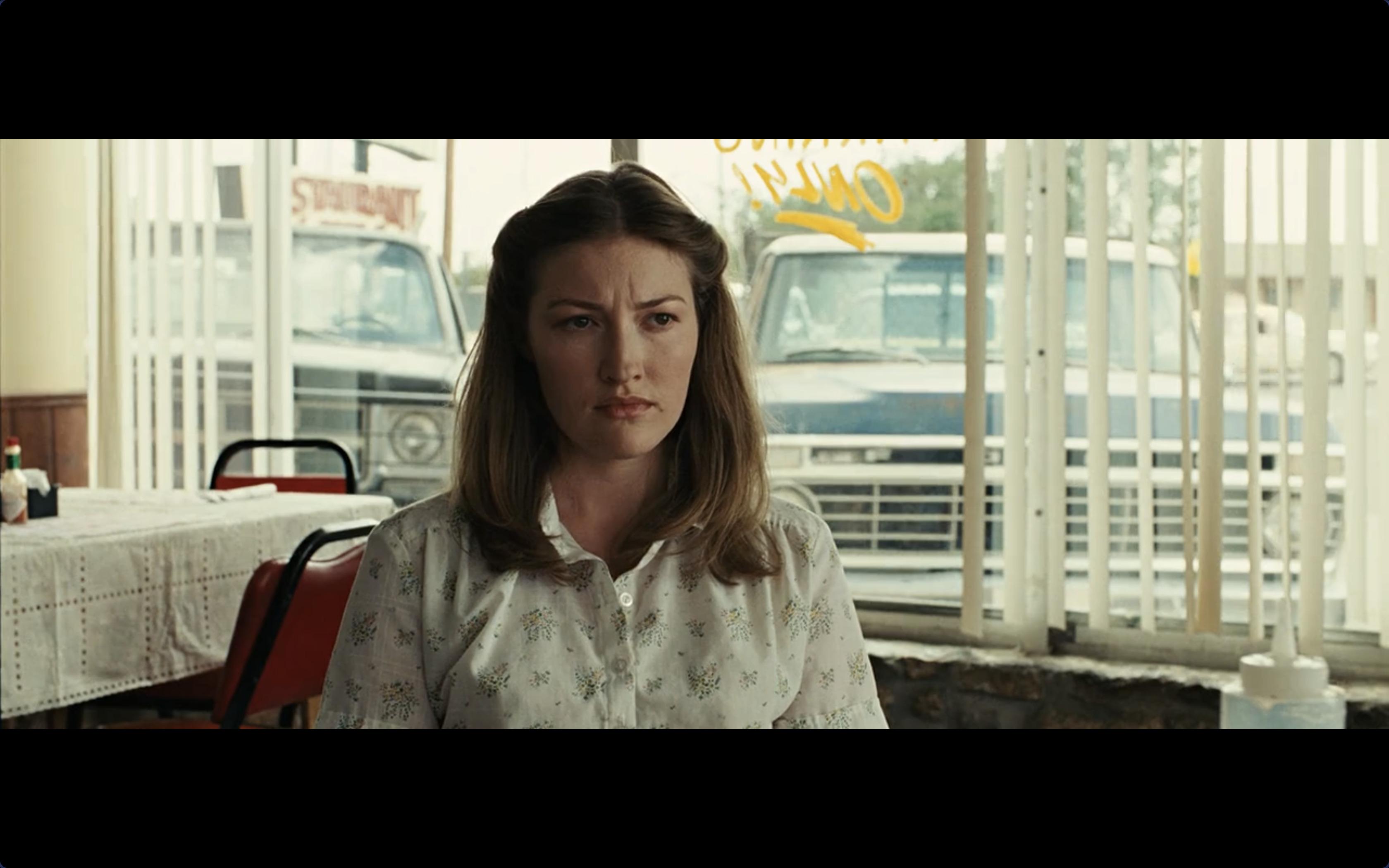
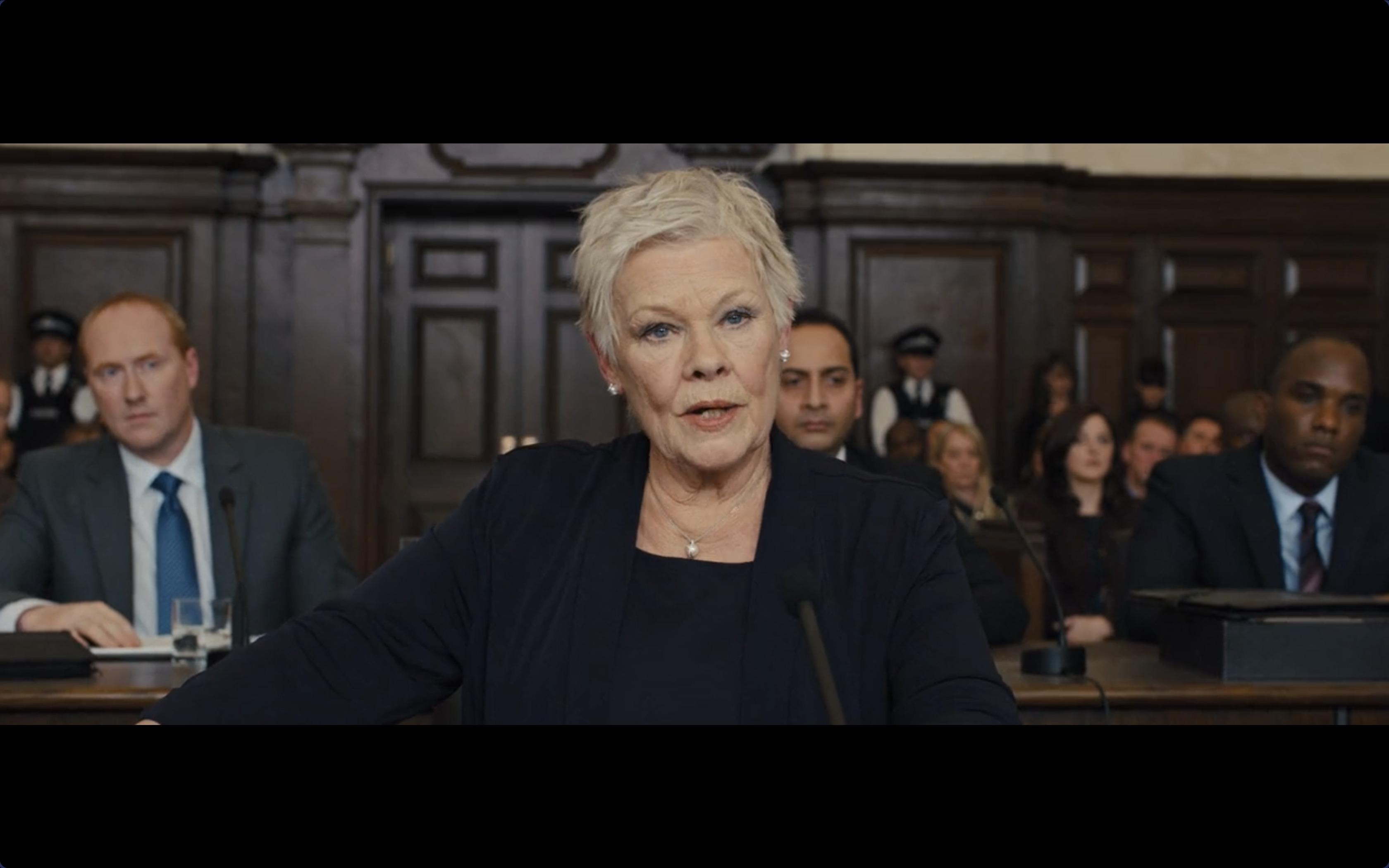
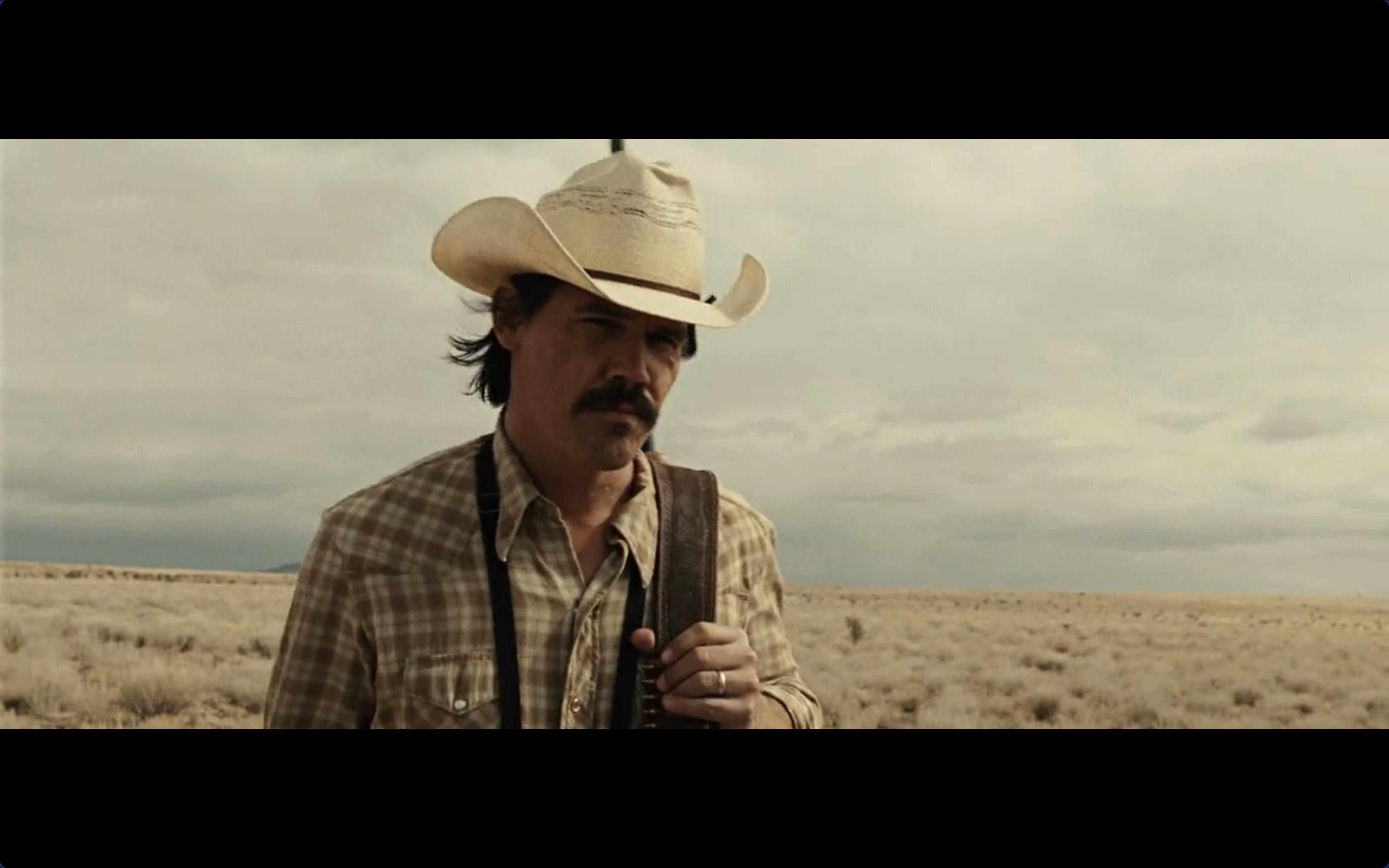
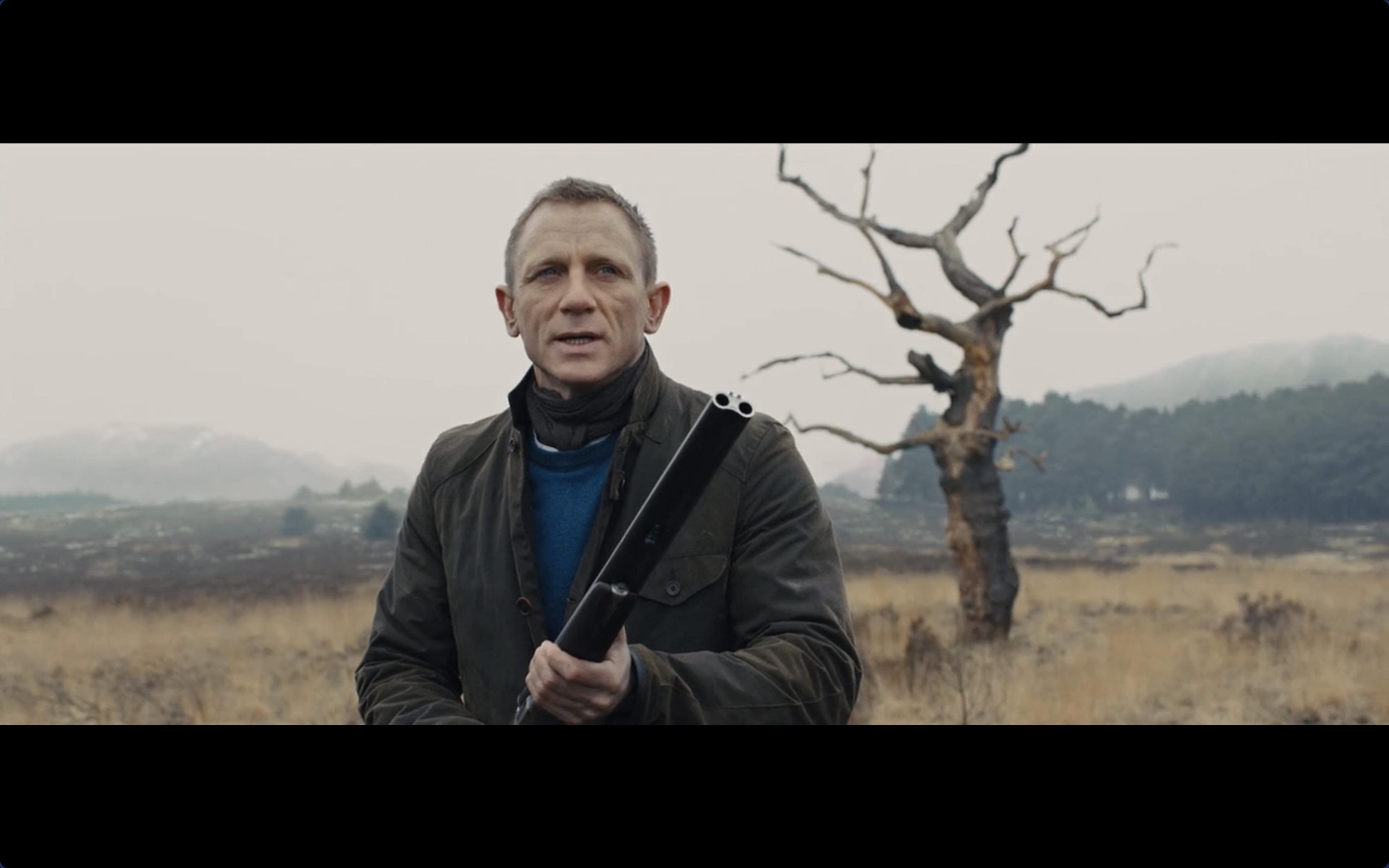
      Your films have a recognizable look to them, especially how you place the camera in relation to the subject. I know you’ve previously mentioned that there’s no specific strategy for how you achieve that, and that it comes naturally to the trained eye.

      But I wondered if you take notes of some of those details like the distance between the camera and the subject, the angle and height of the camera, etc. I also noticed that you position the camera more to the middle, almost 90 degrees in front of the subject, unlike other cinematographers who angle it more laterally.

      I used to think that focal length played the biggest role in how a certain look is achieved. I realized that distance and positioning (camera as well as blocking) play a much bigger role.

      Do you measure a specific distance when you’re about to shoot a medium close-up, for instance? Or do you just move the camera around till it looks right?
       

    Viewing 4 replies - 1 through 4 (of 4 total)
    • Author
      Replies
    • #238681
      Roger Deakins
      Keymaster

        I do like to shoot on certain lens lengths depending on the size of the shot but its mostly about feel. I never measure a distance or a camera height, unless there is a specific match involved. I – and most importantly the directors I have worked with – generally subscribe to the view that when you shoot a close up you should really mean it.

        Watch the film Hud, directed by Martin Ritt, to get a good idea of what I am saying. James Wong Howe only shot about six close shots of his actors (though there was often a close up of an actor in the foreground of a two shot  I am talking about singles here), and each really meant something when he did.

        #239174
        dmullenasc
        Participant

          One issue to consider regarding being closer with the camera physically on a wider lens versus further back on a longer lens is how any foreground elements (if any) come into play.

          Not every close-up has to be “clean” — for example, if the point of the shot is to make the actor look surrounded by a crowd on all sides, then sometimes it is better to use a long enough lens to fit a row of foreground extras in front of the actor, seeing the actor through a gap to maintain the feeling of being trapped on all sides.

          If your goal is shoot an actor from the chest-up, let’s say, then on one focal length you might be three feet from the actor but on another focal length you might be five feet from the actor. There might be practical reasons why one distance would be better than another, like if you want things passing in front of the actor’s face.

          #239275
          rama lingam
          Participant

            Master Roger I would like to ask you why martin ritt used  to show the ceilings most interior in HUD film. For suffocating sense of dread, claustrophobic feeling.

            #240368
            stevepaur
            Participant

              One thing I like about the screen grabs Marco shared is that, in each one, the depth of field is deep enough that you can still decipher some important background elements, and these visual details help viewers contextualize the character in the shot (by showing the environment they’re in).

              Just an observation. Seems like a lot of DPs these days really like shallow depths of field shots, but this often makes characters feel disconnected from their environments.

            Viewing 4 replies - 1 through 4 (of 4 total)
            • You must be logged in to reply to this topic.